
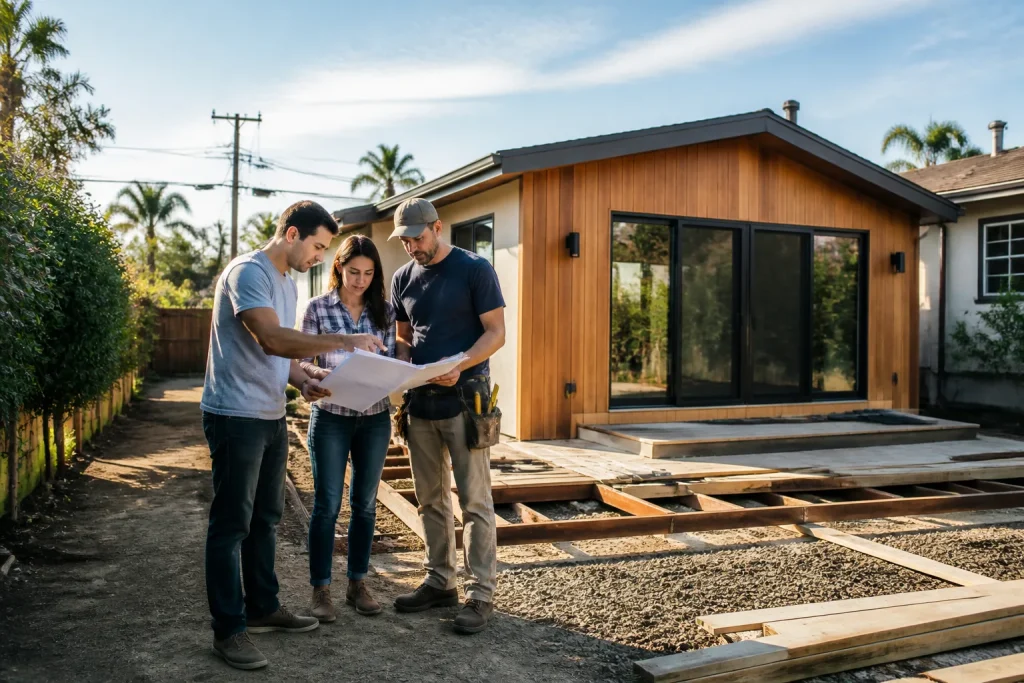
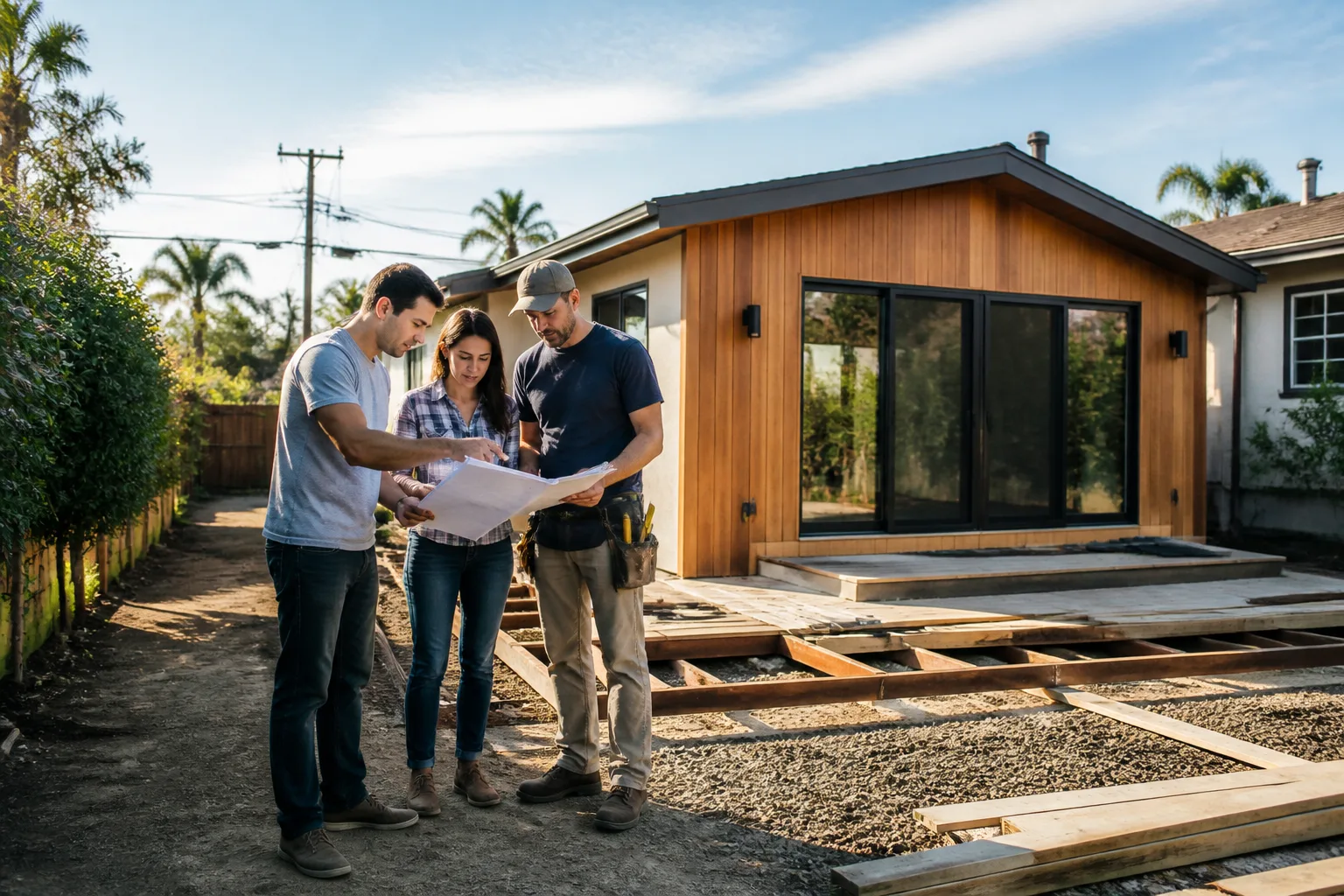
Home Addition Contractor: Repair or Replace? How Los Angeles Homeowners Decide
If the structure is unpermitted, older than 1960, or sits on a lot where the current footprint can’t become an ADU, replacement usually wins. If the bones are sound, the permits are clean, and the existing envelope qualifies for conversion under today’s code, repair often costs less and gets you livable space faster. Call (707) 383-5338 if you’d rather skip the guesswork and have someone walk the property with you.
Here’s the mistake we watch Los Angeles homeowners make every month: they spend $30,000 repairing an old garage addition without realizing the work legally locks them into a structure that can never become an ADU. They fix the roof, rewire the panel, replace the drywall, and then apply for a conversion permit, only to learn the floor plate, setbacks, or ceiling height can’t support a dwelling under current zoning. The repair didn’t solve the real problem. It just made an unusable structure slightly less unusable. The repair-or-replace question on an LA property is almost never about the condition of the wood. It’s about what the structure can legally become after the saws shut off. Start there. The rest of the math gets clearer.
The First Question Is Not Whether It Can Be Fixed
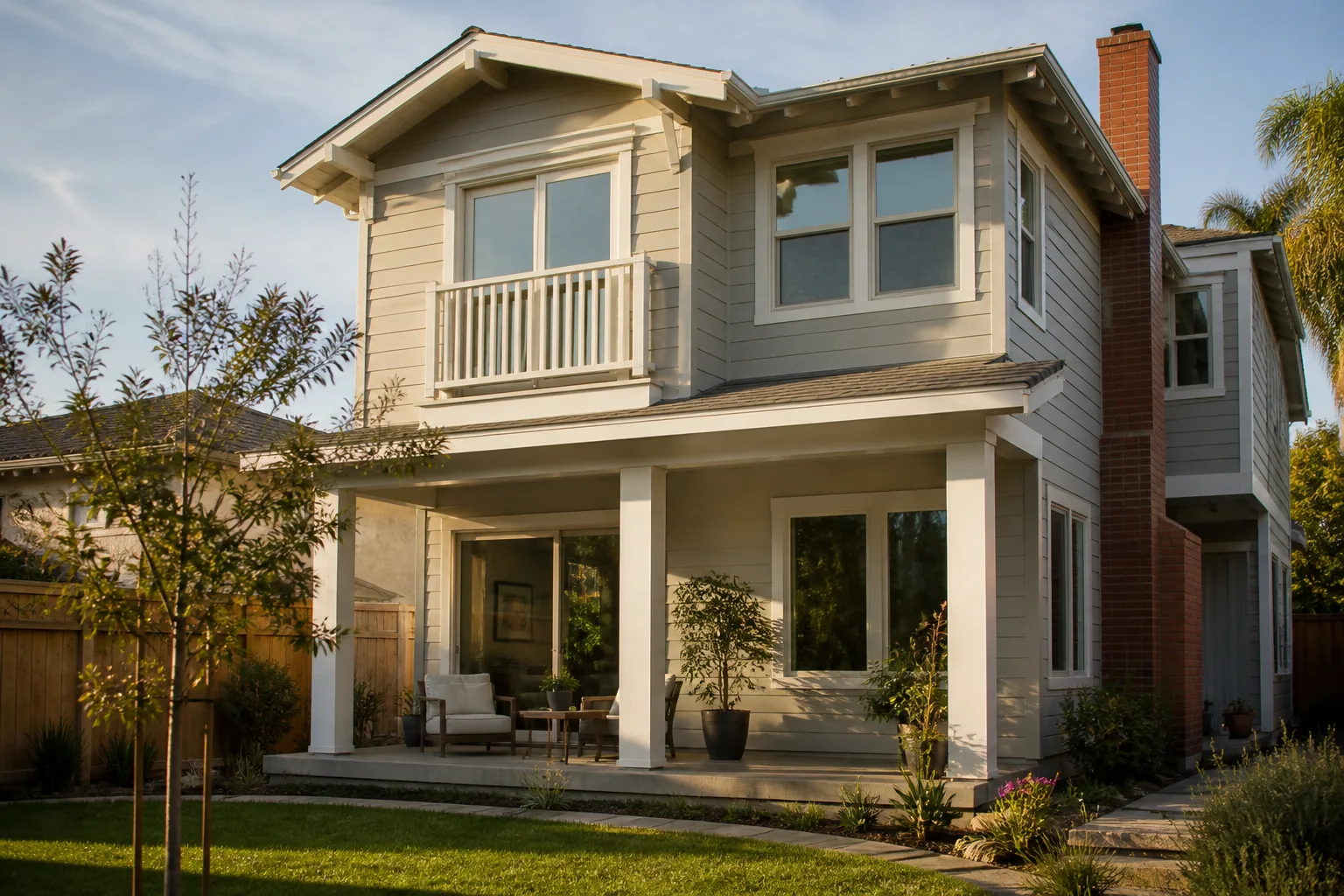
The first question is whether the structure was ever permitted, because the answer changes every number that comes after it. In Los Angeles, unpermitted additions are so common that some neighborhoods along the 110 corridor and out through the Valley have more of them than the city records show. A structure built without permits may have perfectly good framing and a roof that doesn’t leak, but if you repair it, you’re investing in a building the city doesn’t recognize as legal square footage.
In our experience, we’ve walked properties in El Sereno and Van Nuys where the owners had a beautiful, solid addition that had been built by a previous owner’s cousin in 1987. No permits, no final sign-off, no record at the Department of Building and Safety. The owners assumed it just needed a refresh. What it actually needed was either a retroactive permitting process that required exposing the framing to inspect what was behind the stucco, or a tear-down and rebuild that started from a clean slate. We pulled a permit history report on one garage over in Atwater Village last month, and the clerk laughed. There was no history to pull.
Here’s the practical way to think about it:
- Permitted, structurally sound, and recent: repair makes sense if the cost stays under roughly half the replacement value.
- Permitted but very old: replacement may still be the better long-term play, especially in Los Angeles because building codes, seismic standards, and energy requirements have changed so much.
- Unpermitted but structurally fine: any money spent on repairs is a bet that the retroactive permitting process will succeed. That bet fails more often than it pays.
- Unpermitted and compromised: replacement is almost always the answer, and the demolition clears the slate for a legal, habitable structure.
If you’re unsure which category your structure falls into, start with the city’s Seedling ADU Builders home team or another qualified contractor who will pull the permit history before recommending any work. Never trust a contractor who wants to start swinging a hammer before seeing the file.
The LA Zoning Question Nobody Raises
Los Angeles changed its ADU ordinance in recent years, and the current rules are remarkably generous compared to most California cities. That means an existing addition that couldn’t legally become a dwelling five years ago might qualify today. It also means a structure you’re thinking about repairing might qualify for conversion even if the cheapest path is a full rebuild. Repairs don’t change the size, position, or height of a building. Replacement does. In Los Angeles, that difference can be the entire ballgame.
Here’s the question to ask before deciding between repair and replacement: Does the existing footprint, height, and location qualify for ADU conversion under the current ordinance? If the answer is yes, and the structure is in decent shape, a renovation and conversion can be the smartest dollar-for-dollar move on the lot. If the answer is no, but a rebuild slightly larger, slightly taller, or shifted a few feet toward the house would qualify, then tearing down a perfectly decent-looking addition can be the better financial decision.
Most contractors in this city will not raise this question, because it’s not what they were asked to fix. They’re asked to replace a roof, a sill plate, a set of windows. They give a price for that. The property owner only discovers the zoning ceiling months later, after the money is spent. A good Home Addition Contractor in Los Angeles starts at the city’s zoning maps, not at the condition of the trim.
One more Los Angeles-specific factor: many single-family lots in the city sit inside hillside, flood, or fault zones that trigger additional review when a structure is modified. A straight repair may not trigger those reviews. A rebuild will. That sounds like an argument for repair, and sometimes it is, but the review also forces a set of engineering decisions that can improve the structure’s value. Skipping the review to save a few weeks of paperwork can mean missing the chance to build something insured, bank-financed, and legally leasable.
When the Repair Bill Crosses Half the Replacement Value
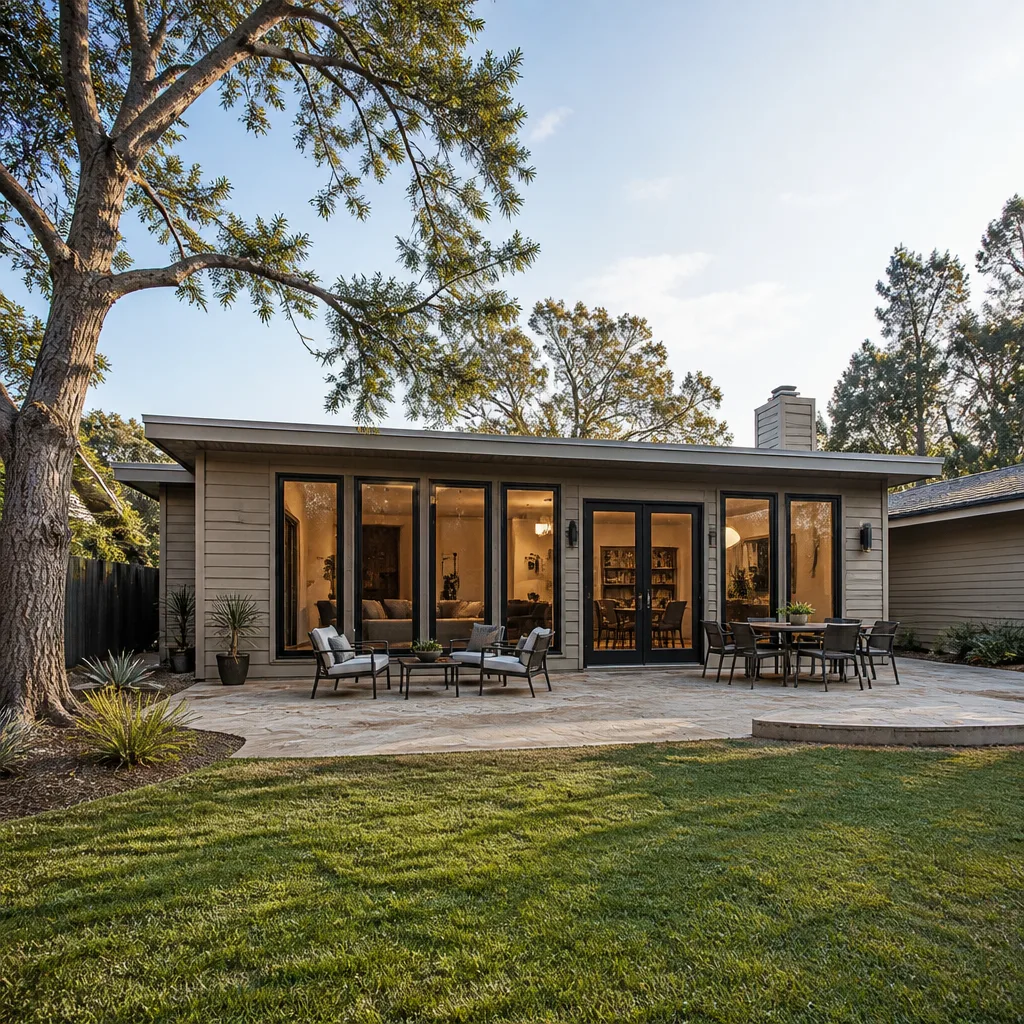
California building code draws a specific line that most Los Angeles homeowners never hear about until a contractor hits it: if the cost of repairs exceeds 50% of the replacement value of the structure, the work must bring the entire building up to current code standards. That means seismic retrofitting, current electrical, current plumbing, current energy standards, and all the other upgrades that make old structures expensive to keep.
This is the quiet math that turns a $25,000 repair into a $90,000 rebuild. Say a 1950s garage addition has a cracked foundation, rotted base plates, and a failing electrical panel. The repair estimate comes in at $32,000. The replacement value of the same structure, assessed at current construction costs, might be $60,000. The repair just crossed the 50% threshold, and now the city requires the entire garage to be brought up to current standards. The final cost after the code upgrades might be $75,000 or more. At that point, the homeowner has paid near-replacement money for a structure that is still old, constrained by its existing footprint, and less valuable than a new build.
A written repair estimate should include line items for all code-triggered work, not just the cracked concrete. An honest contractor will tell you before signing the contract that the threshold will be crossed and list what that means in dollars. A contractor who “doesn’t want to bother you with the details” is building you a bill you won’t see until the inspector walks through.
This is exactly the kind of comparison that Seedling builds into every estimate from day one. We’re not just counting studs and drywall. We’re counting what the city will require, what the old framing can carry, and what the family at the breakfast table will actually be able to use when the crew pulls away. Before any work begins, every family gets a written price, with no surprise line items added after crews arrive.
Repair Estimate vs. Replace Estimate: How to Compare Them Honestly
Most contractors price repairs by the task and replacements by the square foot. That makes the two quotes impossible to compare. A $28,000 repair estimate and a $95,000 replacement estimate look like a simple savings of $67,000, but the repair may exclude electrical, insulation, finish flooring, and the demo required to access hidden framing, while the replacement includes a completed, permitted structure. Here’s what an honest comparison requires, line by line.
What a real repair estimate in Los Angeles should include:
- The cost to open walls and inspect structural members that have never been exposed
- The cost of permits, and which specific permits will be pulled
- The cost of bringing any touched system (electrical, plumbing, structural) to current code
- The cost of temporary protection for the house during extended repair work
- A written statement of whether the work will cross the 50% replacement-value threshold
- A written statement of whether the repaired structure will be convertible to an ADU under current zoning
What a real replacement estimate should include:
- Full demolition and debris removal, including any hazardous material testing for older Los Angeles structures
- Foundation, slab, or raised-floor engineering based on actual soil conditions, not a generic assumption
- All framing, roofing, windows, and exterior finishes, named by product line, not just “mid-grade materials”
- Rough and finish electrical, plumbing, and HVAC, itemized by trade
- Drywall, paint, flooring, and trim, with the finish level written out so you know exactly what is and isn’t covered
- Final inspection sign-off and a warranty that lasts more than one season
Seedling works with leading ADU and prefab brands including Abodu, Cover, and Dvele, so when a replacement is the right call, homeowners choose the product that fits their lot and budget instead of whatever the builder prefers to sell. That matters more in Los Angeles than almost anywhere else, because lot shapes, slope conditions, and setback rules vary dramatically from neighborhood to neighborhood.
We also write one more thing into every replacement estimate that most contractors won’t: a commitment to leave the property the way we found it. Shoe covers and drop cloths inside the house, pet-safe products where there’s a choice, and a photo of the clean-up before the crew leaves. That’s the Cedarwell Care Promise, and it applies whether the job is a two-day garage repair or a four-month ADU build.
The Long-Term Value Lens: What Los Angeles Buyers and Renters Actually Pay For
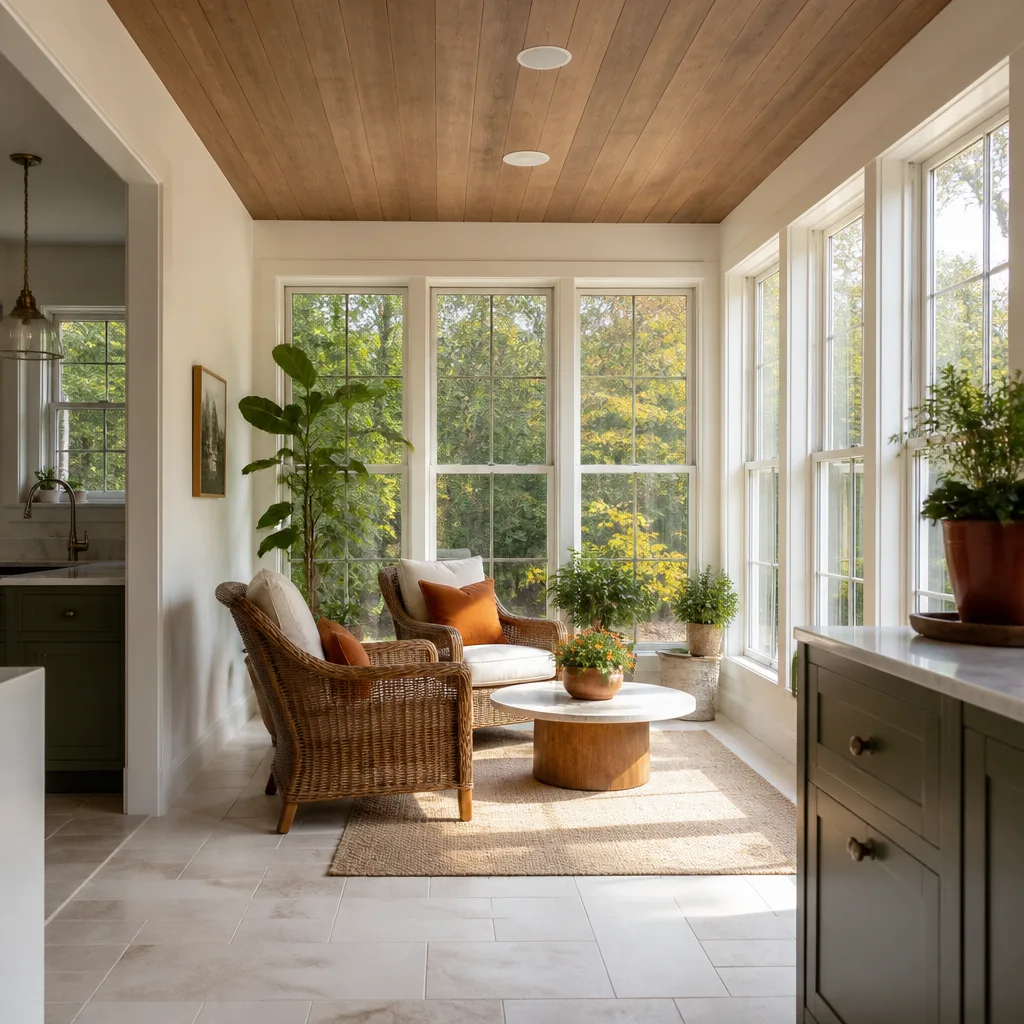
The repair-or-replace decision should never be made on construction cost alone. You have to run the second calculation: what does this structure add to the appraised value and rental income of the property after the work is done? In Los Angeles, that answer changes by submarket. A legal two-bedroom ADU in Highland Park rents for a very different number than the same ADU in Reseda. A home addition in Silver Lake adds more to resale value per square foot than the same addition would add in Panorama City.
Appraisers and underwriters treat permitted, habitable square footage differently from unpermitted or non-habitable space. A repair that makes an old garage look nicer adds close to nothing to the appraised value. It’s still a garage. A conversion that turns the same footprint into a legal one-bedroom ADU with its own kitchen and bath adds six figures to appraised value in many Los Angeles neighborhoods, and it generates income the day it’s listed. The repair was cheaper up front. The conversion is worth more the day you’re done, and every year after.
The same goes for home additions. A repaired family room that can’t legally be counted as living space is a poor investment next to a rebuilt addition that the county assessor recognizes, the lender finances, and the next buyer can verify by pulling permits. When we price a project, we sit down with the homeowner and walk through what the finished structure will be worth in their specific part of Los Angeles. Not the citywide average. Their block. Their school district. Their rental market.
One more thing we tell every family in Los Angeles: talk to your insurer before you decide. Some carriers will drop or refuse to renew a policy on an older, unpermitted addition that’s been repaired but not brought to code. Others will cover a new structure with a certificate of occupancy and written structural engineering behind it. The insurance question can add thousands to the true cost of choosing repair.
When to Call a Contractor Instead of Deciding Alone
If the structure in question is attached to your house, has ever had water intrusion, or is more than 30 years old, stop researching and call someone who can inspect it. Foundation movement, old electrical wiring, and compromised framing are not things you can see in a walk-through, and in Los Angeles, where we deal with expansive soils, termites, and dry-wood rot, the things you can’t see are usually the expensive ones.
We handled a garage conversion over in Eagle Rock last year where the homeowner was convinced the place just needed new drywall and paint. When we opened the walls, the sill plates were so termite-damaged that a medium-sized screwdriver went through them like balsa wood. The repair bid he’d gotten from another company never mentioned opening the walls to look. Our bid did. That’s the difference between a price that sounds honest and a price that survives the first week of construction.
If you’re somewhere in this decision process, here’s the related work we do across Los Angeles:
- Garage Conversion Contractor in Los Angeles for existing garages being considered for livable space
- ADU Builders in Los Angeles for new detached units and prefab options
The Bottom Line
Repair makes sense when the structure is permitted, sound, and convertible under current Los Angeles zoning, and when the repair cost stays below half of replacement value. Replacement makes sense when the structure is unpermitted, old enough to trigger code upgrades, or sitting on a footprint that can’t become legal living space. Before either decision, pull the permit history, check the zoning maps, and get estimates that list every code-triggered line item. Then run the value math for your specific submarket, because a cheap repair in a strong rental market may be the most expensive decision on the table.
If you’re in Los Angeles and want a clear-eyed read on whether to repair or replace, Seedling ADU Builders offers free estimates. Call (707) 383-5338 and we’ll walk the property with you.
Frequently Asked Questions
First, request the permit history from the Los Angeles Department of Building and Safety for your property address. Any addition that doesn’t appear in the record is unpermitted unless you have original permit paperwork in hand. Seedling pulls this history before recommending any repair, because an unpermitted structure changes the repair-or-replace math completely. Call (707) 383-5338 if you’d like help checking yours.
A garage conversion to a legal one-bedroom ADU in Los Angeles typically ranges from $120,000 to $200,000 depending on site conditions, foundation work, and finish level. A full teardown and new detached ADU build generally runs $200,000 to $350,000. Prefab options through brands like Abodu and Cover can reduce both cost and construction time. For an exact price on your lot, call (707) 383-5338 for a free written estimate.
Yes, if the repair cost exceeds 50% of the structure’s replacement value. That threshold triggers California’s existing building code provisions, which require the entire building to meet current structural, electrical, plumbing, and energy standards. A written estimate from Seedling always states whether your project will cross that threshold before you sign anything. Call (707) 383-5338 for a price that includes every code-triggered line item.
Converting to a legal ADU adds far more value. Permitted living square footage with its own kitchen and bath adds six figures to appraised value in most Los Angeles submarkets, while a repaired garage adds almost nothing beyond the cost of the repair. The rental income from a legal ADU also supports a higher property valuation. Seedling’s team can run the numbers for your specific Los Angeles neighborhood during a free estimate. Call (707) 383-5338.
Written by the team at Seedling ADU Builders.
Need ADU Help?
Call Seedling ADU Builders - licensed & insured, here with fast after-hours help in Los Angeles.
(707) 383-5338