
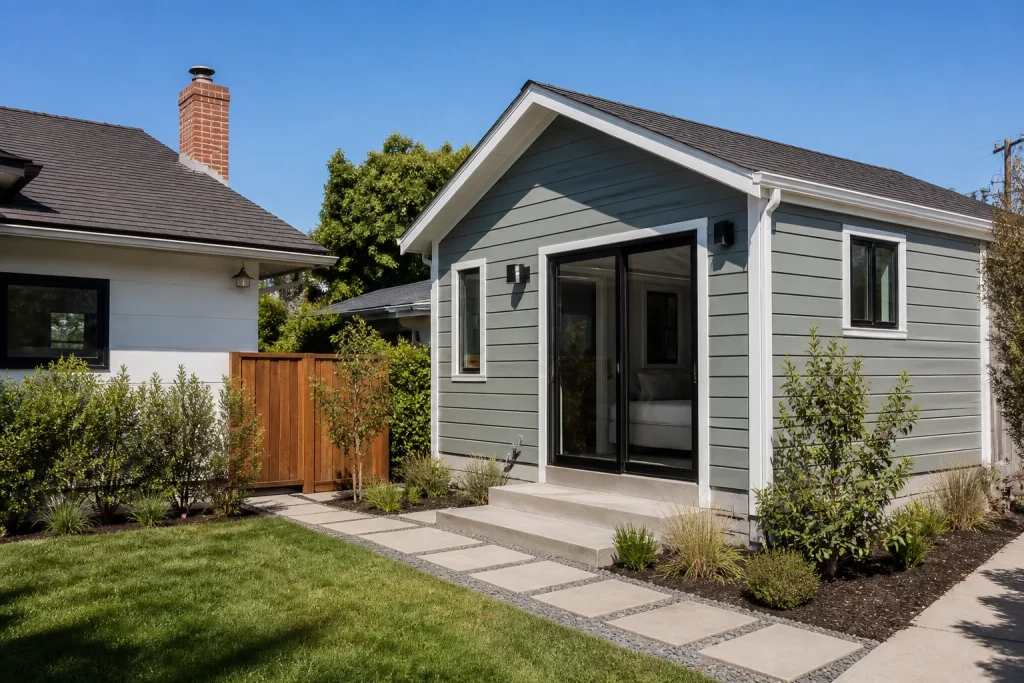
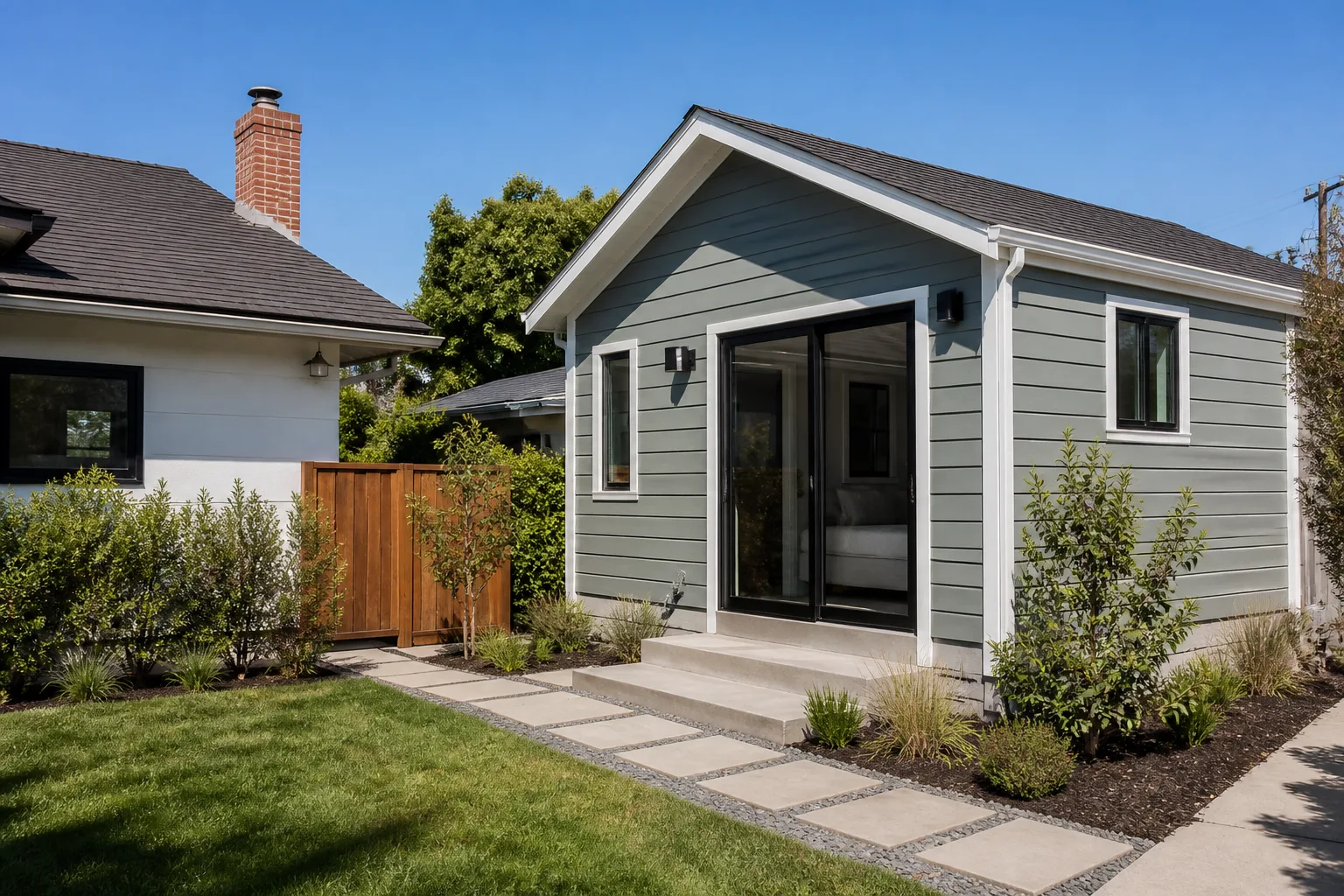
James Hardie Home Addition Contractor in Los Angeles: A Homeowner’s Guide
James Hardie fiber cement siding carries a product warranty of up to 30 years, but that warranty becomes void the moment installation deviates from the printed technical bulletins. Most homeowners in Los Angeles never ask for proof of certification before signing a contract. This guide explains what to verify, which installation details matter in LA’s climate zones, and how to read a line-item estimate so you’re not hit with surprise charges after the crew arrives. If you’d rather not research installation specs on your own, call (707) 383-5338 for a free estimate.
What James Hardie Preferred Contractor Certification Actually Requires
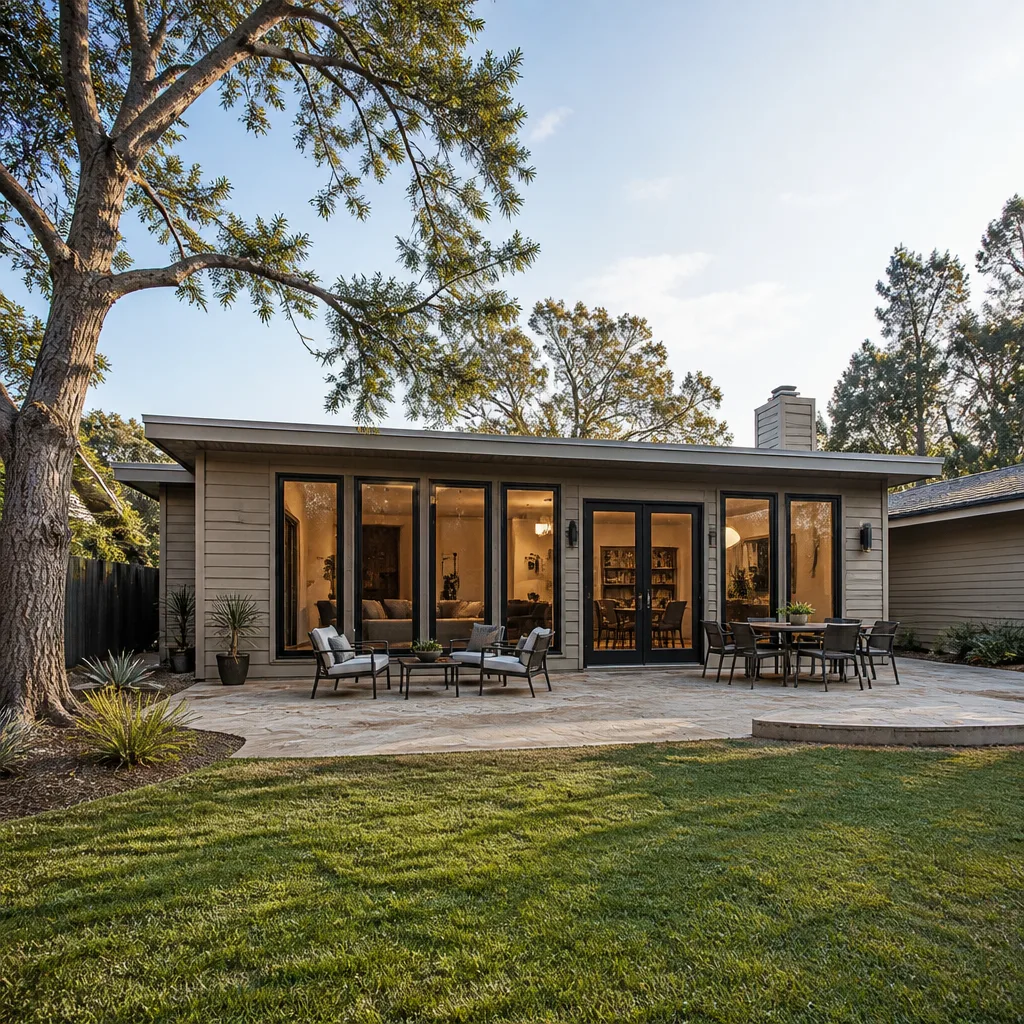
James Hardie’s Preferred Contractor program is not a pay-to-play badge. Contractors must submit documentation of licensing, insurance, completed training modules, and a track record of installations that meet the brand’s published specifications. James Hardie re-audits contractors periodically, and the certification can be pulled if a homeowner files a legitimate complaint about improper installation. In Los Angeles, where hundreds of contractors install fiber cement each year, certification is the quickest way to filter out crews that learned on the job at someone else’s expense.
Here’s what to ask for before you sign anything:
- Proof of current certification. Ask for the contractor’s James Hardie certification number or a screenshot of their listing in the James Hardie contractor locator. Then check it yourself on the manufacturer’s website.
- The specific product name. James Hardie makes HardiePlank lap siding, HardiePanel vertical siding, HardieShingle, and HardieTrim boards. A contractor who can’t tell you which profile matches your existing home hasn’t done enough of these jobs.
- Installation training date. Certification isn’t forever. Confirm the contractor has completed training within the current product cycle, especially for the Hardie Architectural Collection introduced in recent years.
- References from ADU additions, not just re-sides. Adding a new structure to an existing home creates flashing transitions that a straightforward re-side doesn’t have. Ask specifically for a past ADU or addition project.
We pulled a HardiePlank panel off a garage conversion over in Mar Vista last fall where the previous crew had nailed directly into the studs with no rain screen and no flashing at the transition line. The homeowner had a 30-year warranty in writing. It was worthless because the installation violated three published details. A five-minute certification check would have caught it.
Three LA-Specific Installation Details Non-Certified Crews Skip
Los Angeles sits across multiple climate zones, from coastal marine layers in Venice and Playa del Rey to the hot, dry foothills of Sylmar and Tujunga. James Hardie publishes different installation requirements for different exposure conditions, and three details matter more in LA than nearly anywhere else.
1. The moisture barrier behind the siding. LA’s coastal neighborhoods see morning fog that keeps exterior walls damp for hours. James Hardie requires a water-resistive barrier behind the siding in specific climate zones, and the type of barrier changes based on whether you’re in a wildfire-prone area. Non-certified crews often skip the barrier entirely or use generic house wrap when the spec calls for a specific grade. Once the siding goes up, nobody sees it until the wall rots from the inside.
2. Expansion gaps at concrete slabs and stucco transitions. Fiber cement expands and contracts with temperature swings. LA’s inland valleys can swing 40 degrees between night and midday, which means proper gaps at slab lines, window openings, and where new ADU siding meets existing stucco are not optional. Skipped or undersized gaps cause buckling within the first two summers. Certified installers know the exact gap width James Hardie requires for each joint type and use the right gauge to set it.
3. UV-rated caulk at joints and penetrations. The sun in Los Angeles breaks down standard caulk within a few years, especially on south- and west-facing walls. James Hardie specifies UV-stable, paintable caulk at every joint, penetration, and trim transition. A contractor using the $4 tube from a big-box store saves money on materials and guarantees you’ll be re-caulking before the first repaint. On an ADU addition, every seam where new Hardie meets the original house is a caulk line that faces direct sun for six-plus hours a day in neighborhoods like Woodland Hills and Porter Ranch.
How to Read a James Hardie Line-Item Estimate
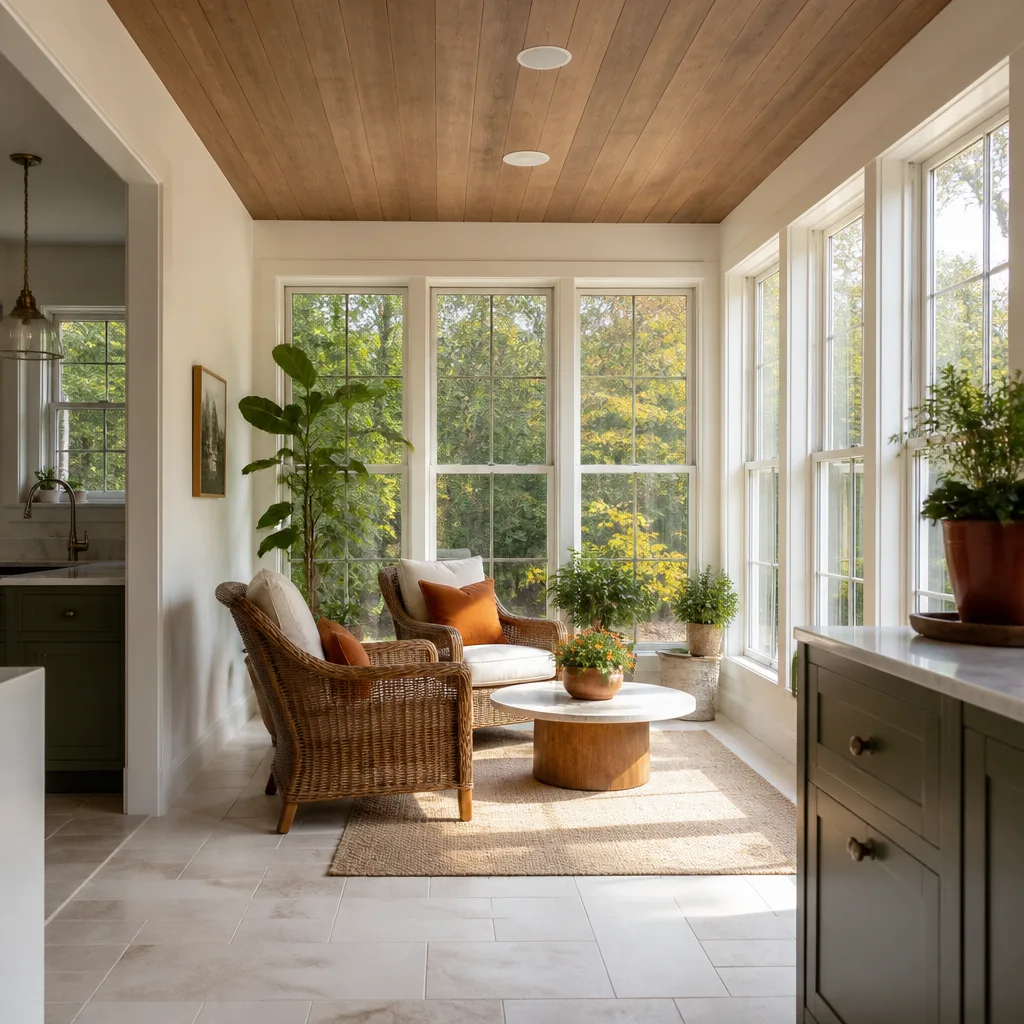
Line-item estimates are the only honest way to compare bids, and they’re also where vague contractors hide costs. A James Hardie home addition in Los Angeles typically involves more than just siding. The estimate should break out materials, labor, prep, and finish separately so you can see exactly what’s included.
A complete James Hardie estimate for an ADU addition should include:
- Siding material. Listed by product name and square footage, not just “fiber cement.” If the line says “siding” without a product spec, ask for it.
- Trim and corner boards. HardieTrim boards and corner pieces cost more than wood trim and are part of the system warranty when installed to spec. If trim isn’t listed, it’s probably an extra later.
- Primer coat. James Hardie products arrive pre-primed, but cut edges and field cuts need spot priming. Make sure the estimate covers edge sealing, especially around windows.
- Flashing at all transitions. Where the ADU roof meets the new Hardie wall, where the addition meets the original house, and at every window head. Flashing is the single most-skipped line item on home addition estimates in LA.
- Paint. Hardie siding needs painting within 180 days of installation, and the paint system matters. Estimates that don’t include painting leave you with a $6,000 surprise at the end.
- Waste disposal and site protection. Old siding, trim, and fasteners generate real volume. If it’s not itemized, it’s not included.
Ask your contractor to walk through the estimate line by line before you sign. A contractor who resists line-item breakdowns in Los Angeles is telling you something about how surprises will be handled later.
Why Matching Your Existing Home’s Siding Profile Matters for Resale
An ADU or home addition changes the visual mass of your property. When the new siding profile doesn’t match the original house, the addition reads as exactly what it is: an add-on. That’s a problem in a Los Angeles market where buyers in neighborhoods like Eagle Rock, West Adams, and Studio City routinely pay premiums for homes that feel cohesive. A mismatched exterior signals that other corners may have been cut too.
James Hardie makes the matching process easier because their product lines are standardized across decades. An original 1960s home with a specific lap exposure can often be matched with a current HardiePlank profile that lands within an eighth of an inch. That matters more than most homeowners realize. A visible seam between original siding and new siding, a shifted lap line, or a slight color mismatch at the transition draws the eye every single time. Buyers notice, appraisers notice, and the sellers at open houses over in Silver Lake have heard the comments.
When we plan a James Hardie home addition for a Los Angeles homeowner, we photograph the existing siding profile, measure lap exposure, and order the closest current product match. If an exact match isn’t available, we discuss options before work starts: re-siding one section, accepting a deliberate contrast wall, or choosing a new color that unifies everything. The goal is that the addition looks like it grew there, not like it was bolted on.
Questions to Ask During a Walkthrough That Reveal Real Experience
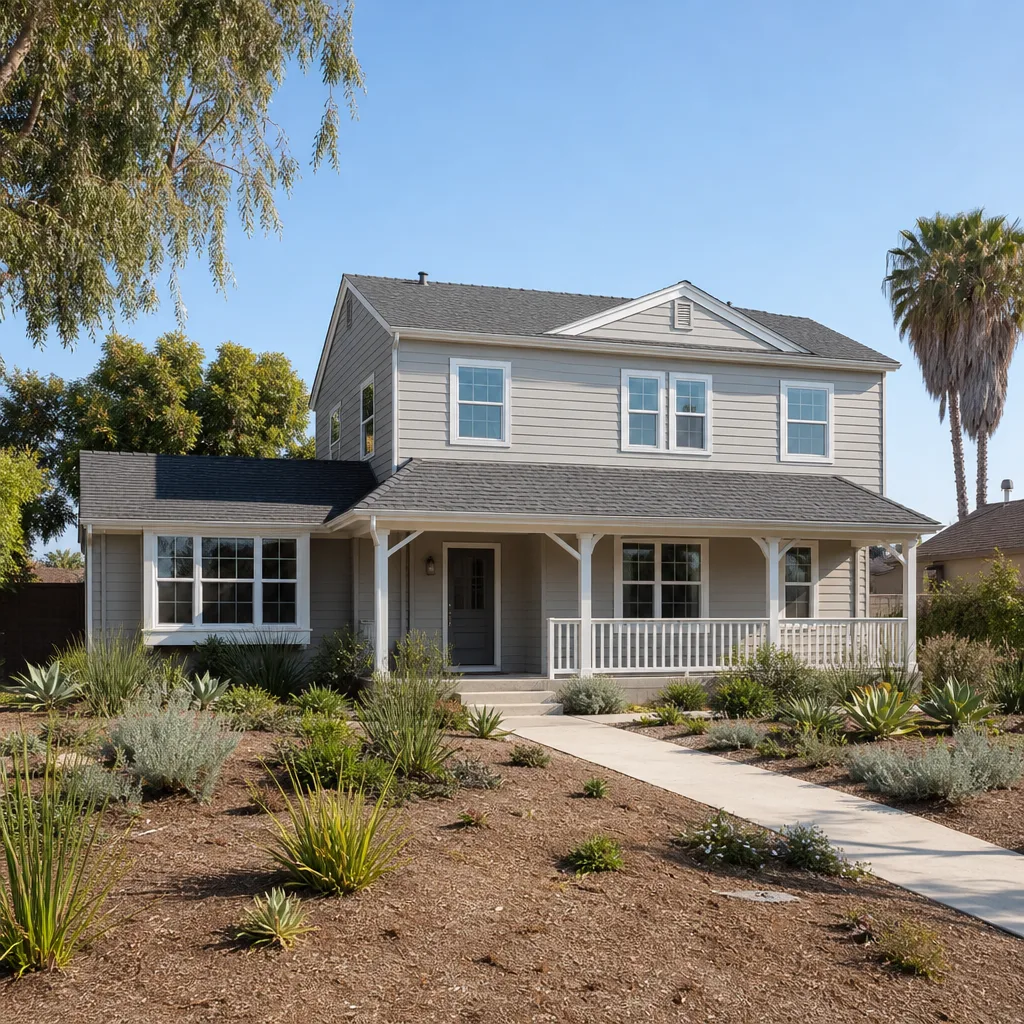
Most contractors can talk through a James Hardie installation. Fewer have done one on a Los Angeles ADU addition where the complications are specific: existing stucco transitions, foundation offsets, roof-to-wall flashing, and the need to keep a family living in the house throughout the work. Here are the questions that separate experienced crews from those figuring it out on your dollar:
- “What’s your flashing detail where the new Hardie meets the existing stucco?” Listen for a specific answer: a Z-flashing or a specific caulk joint with backer rod and sealant. A vague answer like “we’ll seal it” is a red flag.
- “How do you handle the gap at the foundation line on my lot?” Los Angeles lots vary, and if the addition sits on a new slab, the gap between siding and concrete needs to allow for both moisture and movement. Ask for the exact gap width.
- “What happens if we find rot in the original wall when you open it up?” This is a certainty conversation, not a hypothetical. In older LA homes, especially in neighborhoods like Highland Park and Jefferson Park, sheathing rot behind stucco is common. A good contractor has a process: photo documentation, a written change order, and a conversation before adding cost.
- “Will the crew be working inside the home, and how do you protect the floors?” A home addition means cutting through exterior walls. Dust control, shoe covers, drop cloths, and daily clean-up are part of the job. At Seedling, this is the Cedarwell Care Promise: shoe covers and drop cloths inside the home, pet-safe products where there is a choice, and a photo of the clean-up before the crew leaves every day.
- “Have you installed Hardie on an ADU addition in Los Angeles specifically?” Ask for the address or neighborhood. A contractor who can name the street and the complication they solved there is a contractor who has done the work.
The walkthrough is also where you’ll learn how the contractor communicates. Do they answer the question you asked, or the question they wanted you to ask? A James Hardie home addition in Los Angeles takes weeks, not days. You’ll be talking to these people a lot. If the communication feels off during the walkthrough, it won’t improve once the deposit clears.
When to Call a Pro
James Hardie fiber cement is heavy, requires specific fasteners, and produces silica dust when cut. The installation tolerances are tight enough that a small mistake voids the warranty. If you’re considering a DIY installation to save money, know that the material savings disappear quickly once you factor in blade wear, specialized fasteners, edge sealing, and the risk of getting the gap spacing wrong. This is not a siding material that forgives improvisation. If the addition is anything larger than a small section of repair, a certified Los Angeles contractor is the correct call.
Related services in Los Angeles: Home Addition Contractor in Los Angeles and ADU Builders in Los Angeles. If you’re weighing a siding project against a full addition or a Garage Conversion Contractor in Los Angeles, we can walk you through cost ranges for each.
We work with James Hardie materials alongside prefab and modular brands like Abodu and Plant Prefab. A homeowner who wants the speed of a prefab ADU can still get a James Hardie exterior matched to the main house, and that combination is becoming popular in Los Angeles lots where the main home needs no exterior work but the new unit needs to look like it’s always been there. We’ve built this way in neighborhoods from Van Nuys to Leimert Park, and the transition line is where the quality shows or doesn’t.
The Bottom Line
James Hardie siding on a Los Angeles home addition is a reliable product installed incorrectly by a surprising number of contractors. The warranty is only as good as the installation, and the installation details that matter most in LA’s climate are moisture barrier specification, expansion gaps, UV-rated caulk, and flashing at every transition. Verify certification, read the line-item estimate carefully, and ask the walkthrough questions that reveal whether a contractor has done this specific job before. If you’re in Los Angeles and want a written price before any work starts, Seedling ADU Builders home offers free estimates. Call (707) 383-5338 and we’ll walk your lot, measure the existing siding profile, and give you a line-by-line number.
Frequently Asked Questions
A James Hardie home addition in Los Angeles typically runs $180 to $340 per square foot for the full build, with the siding portion of the job usually landing between $12 and $22 per square foot of wall area including trim, flashing, and installation labor. The final price depends on the size of the addition, the complexity of the roof-to-wall transitions, and whether the existing home needs any siding modification to blend the new work. Call (707) 383-5338 for an exact quote, estimates are free.
Yes, James Hardie fiber cement products carry a limited, non-prorated product warranty of up to 30 years when installed according to James Hardie’s published installation instructions. The warranty covers the siding material itself, but improper installation voids it. That’s why certification matters: a certified contractor installs to the exact specifications that keep the warranty valid. Ask for proof of certification before signing.
Not if the estimate is written properly. A complete line-item estimate lists siding, trim, flashing, primer, paint, and waste disposal up front. The only legitimate change order occurs when the crew opens a wall and finds hidden damage like rot or termite damage behind the old siding. A good contractor documents the finding with photos and gets written approval before adding any cost. At Seedling, every family receives a written price before work begins, and there are no surprise line items added after crews arrive.
Plan for four to eight weeks from the first day of framing through final paint, depending on the size of the addition and whether it requires new foundation work or utility rough-ins. The siding portion of a typical ADU addition takes five to ten working days once the walls are framed and dried in. Weather rarely interrupts work in Los Angeles, but the permitting process can add four to twelve weeks before construction starts. Call (707) 383-5338 and we’ll give you a realistic timeline for your specific lot.
Written by the team at Seedling ADU Builders.
Need ADU Help?
Call Seedling ADU Builders - licensed & insured, here with fast after-hours help in Los Angeles.
(707) 383-5338