
5 Mistakes to Avoid With Garage Conversion Contractor
A garage conversion contractor mistake usually isn’t a framing error or a bad paint job. It’s a paper problem: a permit pulled under the wrong license, a contract that hides a $7,000 electrical upgrade, a slab nobody checked before the bid went out. The five mistakes that actually cost Los Angeles homeowners money all happen before demolition starts. If you’d rather skip the research and talk to someone directly, call (707) 383-5338.
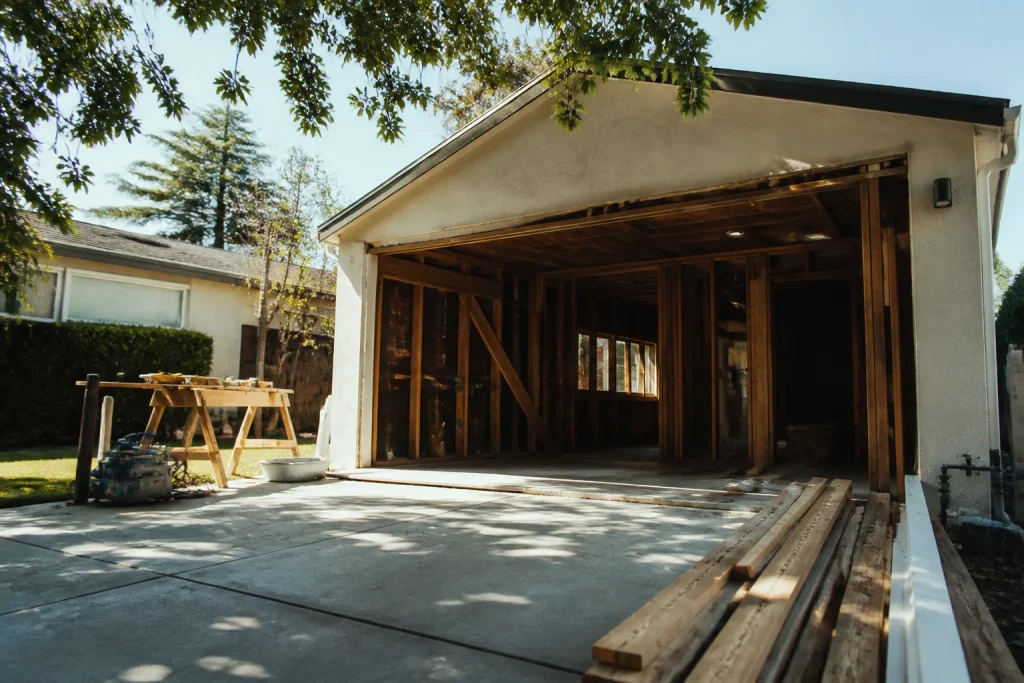
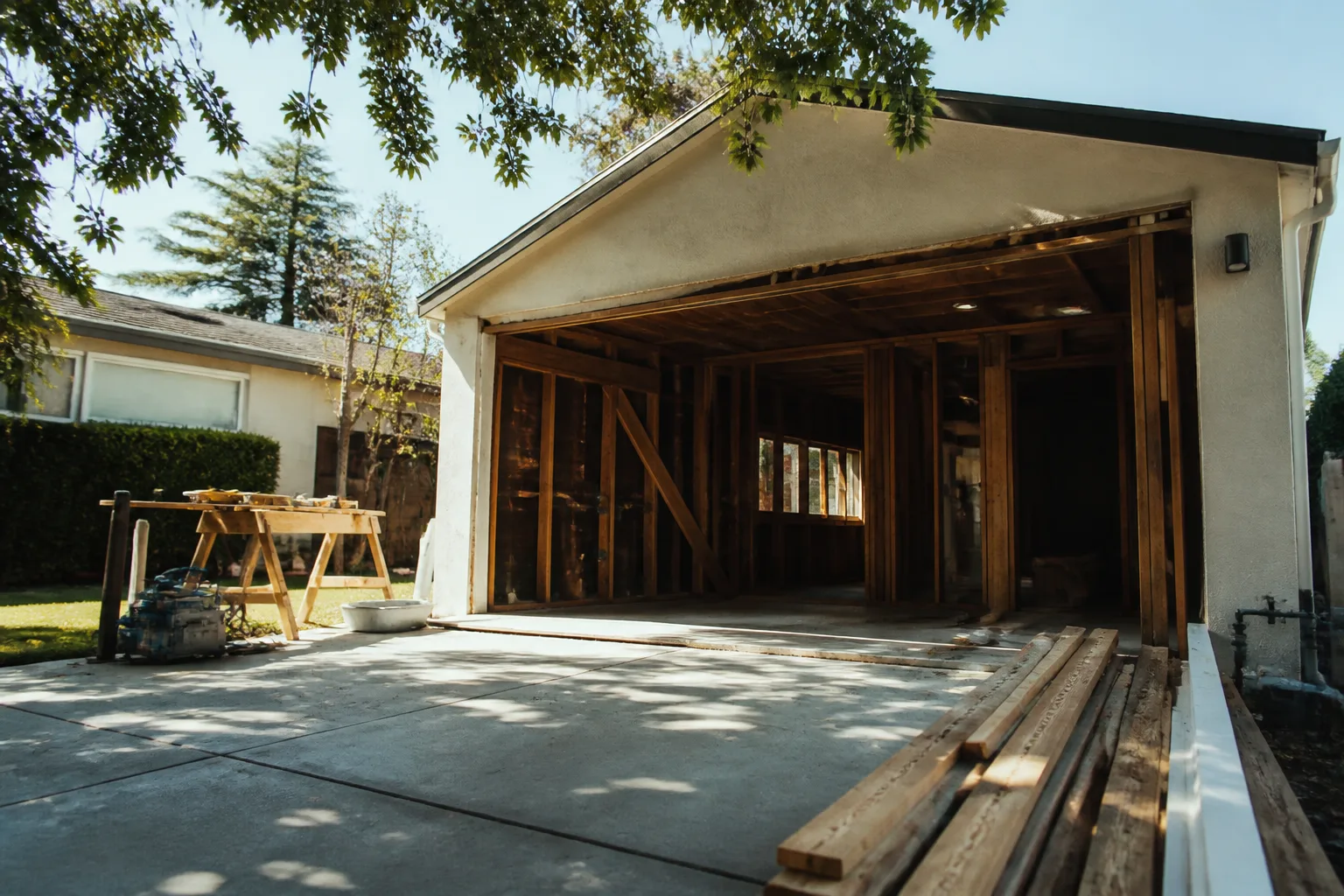
We pulled a failed garage conversion out of a home in Van Nuys last spring. The previous contractor had framed walls, hung drywall, even installed flooring. Then the inspector showed up, measured the ceiling at 7 feet 2 inches, and tagged the whole project. California requires 7 feet 6 inches in habitable space. The homeowner paid $28,000 to have work torn out and redone. Every one of those dollars could have been saved with a proper pre-construction review.
Los Angeles issued more garage conversion permits than any other ADU type last year, yet city inspectors flag roughly one in four for non-compliant ceiling height or substandard insulation. Both issues show up in the paperwork stage, not during construction. Here’s what to look for before you sign anything.
Mistake #1: Not Confirming the Contractor Pulls Permits Under Their Own License
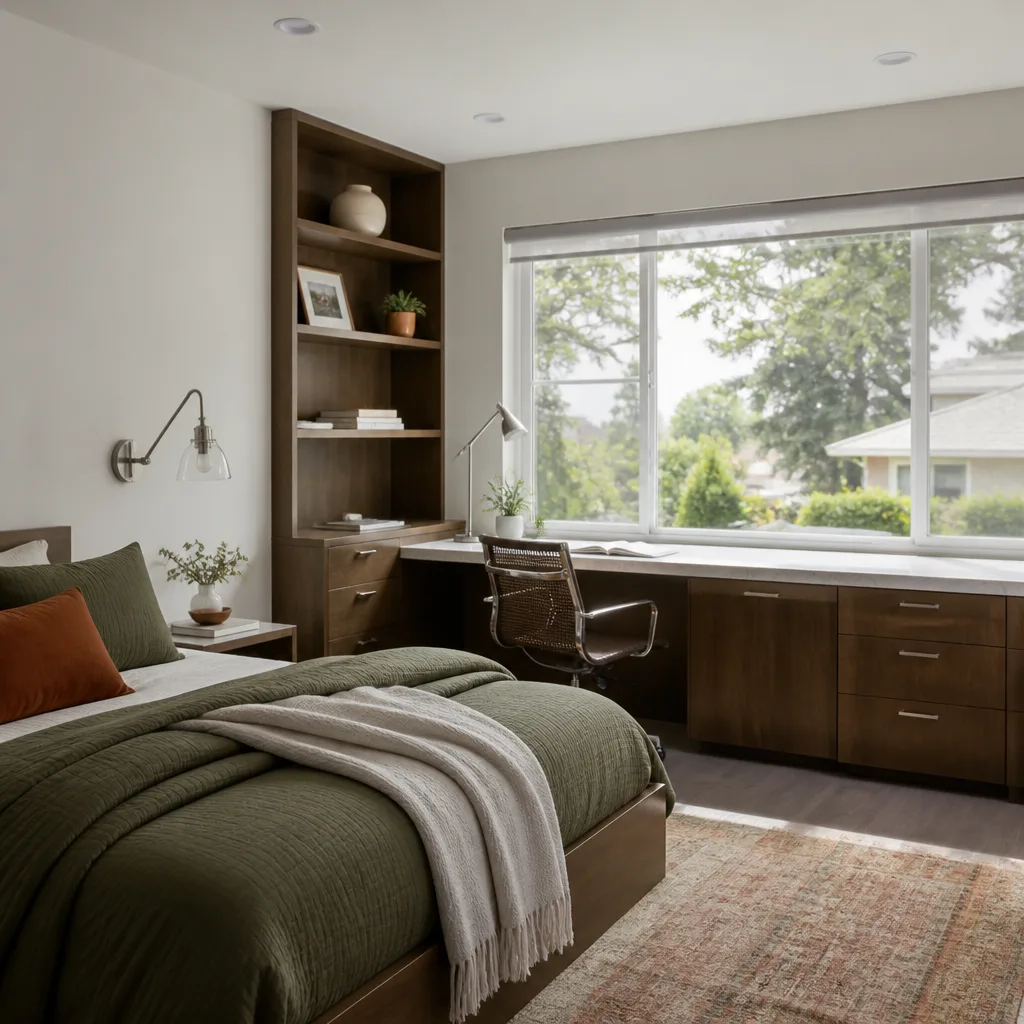
This is the one that creates legal exposure you don’t see coming. In Los Angeles, a garage conversion requires a building permit, and the contractor’s license number goes on that permit application. If the contractor asks you to pull the permit as “owner-builder,” walk away. When you pull an owner-builder permit, you become legally responsible for the construction. That means if a worker gets hurt, or the project fails an inspection, or something goes wrong with the foundation three years later, it lands on you, not the contractor.
A licensed Garage Conversion Contractor in Los Angeles pulls permits under their own state license, carries workers’ compensation insurance, and stands behind the work because their name is on the paperwork. We pull every permit under Seedling ADU Builders’ license. The local pro is background-checked, uniformed, and covered by our workers’ comp policy. The homeowner never signs as the builder.
Ask the question directly before you sign a contract: “Whose license number goes on the permit?” If the answer isn’t the contractor’s license, you’re not hiring a contractor. You’re hiring a liability.
Mistake #2: Accepting a Lump-Sum Bid With No Allowance Breakdown
A lump-sum bid sounds simple. One number, one job, done. But garages hide costs that a square-footage price never captures. Most Los Angeles garages built before 1990 have no insulation, no HVAC, and an electrical panel that was sized for a door opener and one outlet, not a bedroom and a kitchenette.
When those items aren’t broken out as allowances in the contract, they become “change orders” mid-project. And change orders are where budgets quietly double. We’ve seen flooring allowances of $4 per square foot when the homeowner picked a product at $9. We’ve seen electrical panels quoted at 100 amps when the Title 24 energy calculation required 200.
A written price with line-item allowances means you see exactly what’s included for flooring, insulation, HVAC, electrical, and windows before work starts. At Seedling ADU Builders, every family receives a written price before any work starts, with no surprise line items added after crews arrive. That’s not a sales tactic; it’s how you protect a five-figure investment.
Here’s what a real garage conversion contract should break out:
- Demolition and debris removal
- Slab repair or leveling (if needed)
- Framing and structural upgrades
- Insulation and drywall
- Electrical panel and wiring
- HVAC or mini-split system
- Flooring allowance (per square foot)
- Windows and exterior doors
- Permit fees and Title 24 compliance
- Finish plumbing (if adding a bathroom or kitchenette)
If your bid doesn’t list these separately, ask for the breakdown. A contractor who won’t provide one is either hiding something or hasn’t done enough garage conversions to know what they cost.
Mistake #3: Skipping a Soils or Slab Assessment Before Signing
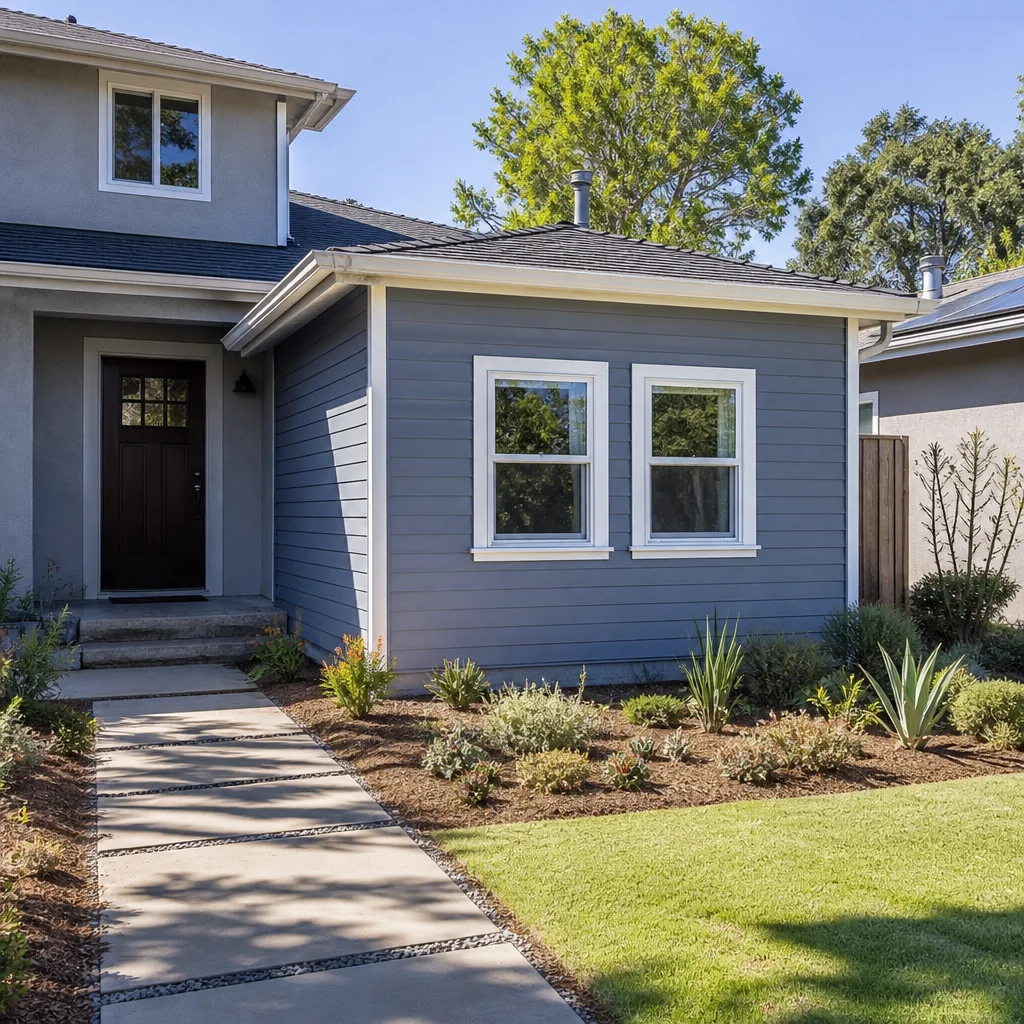
Garage slabs are not house slabs. They were poured to hold cars, not bedrooms. Many Los Angeles garages sit on slabs that are uneven, cracked, or below the flood elevation required for habitable space. Some were poured without rebar. Some have settled two or three inches in one corner.
If nobody checks the slab before the contract is signed, you’ll find out the hard way. Leveling an uneven slab, adding moisture barriers, or pouring a new slab mid-project adds $4,000 to $10,000 to the job. Trying to skip the fix means flooring that buckles, doors that won’t close, and an inspector who fails the project.
A proper pre-construction review includes walking the slab, checking for cracks and settlement, and reviewing the original garage foundation against current code. We do this on every garage conversion before we write the price. If the slab needs work, it’s in the written estimate from day one, not discovered during week six.
Mistake #4: Hiring a Contractor Who Has Never Done Title 24 for a Garage Conversion
Title 24 is California’s energy code, and it’s the reason so many Los Angeles garage conversions fail inspection. A garage built to store cars has different insulation, glazing, and HVAC requirements than a room built for people. Title 24 compliance means an energy consultant runs a calculation on the specific conversion: window sizes, wall insulation R-values, roof assembly, and HVAC efficiency. That calc goes to the city with your permit application.
A contractor who’s done home additions but never a garage conversion may not understand how tightly the Title 24 calc applies here. Garages have larger overhead door openings being closed in, single-wall construction in some older homes, and slab edges that leak heat. Getting the glazing and insulation wrong means the permit gets rejected or the project fails final inspection.
Ask your contractor how many garage conversions they’ve completed in the last two years, and specifically how they handle Title 24. If they pause or say “our engineer handles that,” dig deeper. You want someone who knows the calc before the walls go up, not someone who learns about it from the inspector.
We work with prefab ADU brands like Abodu, Cover, and Dvele, which pre-engineer their structures for California energy code. When a family chooses a prefab unit, the Title 24 work is already baked into the product. When we build site-built, our energy consultant runs the calc before the permit application goes in. Either way, compliance is part of the written scope.
Mistake #5: No Written Timeline With Defined Milestones
A garage conversion that drags past 90 days almost always means the contractor is spread across too many jobs. The crew shows up twice a week. The inspector visit gets pushed. The materials sit on order. Meanwhile, your garage is empty, your permit is open, and your budget is drifting.
In Los Angeles, a standard garage conversion should take 8 to 14 weeks from permit approval to final inspection, assuming no slab work. That’s not a promise; it’s a benchmark. When a contractor can’t give you a written timeline with milestones, that’s a signal they don’t schedule work, they fit it in.
Ask for a milestone schedule in the contract: demolition complete by week two, framing inspection by week four, rough electrical and plumbing by week six, drywall by week eight, final inspection by week twelve. Then watch whether they hit the first two milestones. A contractor who misses early milestones without a clear reason will miss later ones too.
At Seedling ADU Builders, every project gets a written timeline before work begins. We also answer calls with a live person 24/7 during an active build. If something slips, you hear about it from a human, not a voicemail.
When to Call a Pro
You can research garage conversion contractor mistakes from now until the permit office closes, but the moment that saves you money is the phone call before the contract. A 20-minute conversation with a contractor who’s completed garage conversions in Los Angeles will tell you more than another hour on Google. If the contractor hesitates on permits, won’t break out allowances, skips the slab question, or can’t explain Title 24, you’ve learned everything you need to know. Call someone else.
Related services in Los Angeles: ADU Builders in Los Angeles for detached units and Home Addition Contractor in Los Angeles for larger living-space projects.
The Bottom Line
The five mistakes that turn a garage conversion into a regret all happen before construction starts. Confirm the permit goes under the contractor’s license. Demand a line-item allowance breakdown. Check the slab before you sign. Verify Title 24 experience. Get a written milestone timeline. Get those five things in writing and the construction itself becomes the easy part.
If you’re in Los Angeles and want a written price before any work starts, Seedling ADU Builders home offers free estimates. Call (707) 383-5338. Every project is backed by our Done Right Promise, in writing: if it’s not done right, we make it right.
Frequently Asked Questions
A garage conversion in Los Angeles typically costs $80,000 to $150,000 for a finished unit with a bathroom, depending on the slab condition, electrical panel upgrades, and finish level. Slab repair alone can add $4,000 to $10,000. Call (707) 383-5338 for an exact quote, estimates are free.
A standard garage conversion takes 8 to 14 weeks from permit approval to final inspection, assuming no major slab work. The permit approval itself can add 4 to 10 weeks depending on the city’s current workload. A written milestone schedule protects you from a project that drags.
Yes. Every garage conversion in Los Angeles requires a building permit, and it must be pulled under a licensed contractor’s number, not the homeowner’s. Skipping the permit risks fines, a stop-work order, and problems when you sell the home.
It shouldn’t, if the contract has line-item allowances for flooring, HVAC, electrical, and slab work. Price changes mid-project usually come from items that were never broken out. Ask for a written price with allowance detail before signing, and a written change-order process for anything unexpected.
Written by the team at Seedling ADU Builders.
Need ADU Help?
Call Seedling ADU Builders - licensed & insured, here with fast after-hours help in Los Angeles.
(707) 383-5338