
Fast, Reliable ADU Builders Across Rolling Hills Estates
ADU construction in Rolling Hills Estates runs $180,000 to $420,000 for most detached units, and garage or barn conversions typically land between $120,000 and $280,000 depending on what the opening-inspection uncovers. We quote a written price before any work starts, and every Seedling project is covered by the 365-Day Done Right Promise. If you’re planning an ADU on a half-acre equestrian lot or converting an old ranch home’s garage, call (707) 383-5338 and we’ll walk the site with you before you commit to anything.
Why Seedling ADU Builders Is Rolling Hills Estates’s Preferred ADU Builders Company
Rolling Hills Estates is not Torrance. It’s not Lomita. The city sits on Palos Verdes Peninsula adobe-clay soils that shrink and swell with every wet and dry season, and its equestrian heritage means many rear property lines carry mapped trail easements that change where an ADU legally fits. Our ADU Builders team reads those conditions before drawing, because a pad that looks obvious from the kitchen window can fail a permit check in the first round of comments. Ben Ortega leads the crew, and he reviews every site plan for Rolling Hills Estates personally before it goes to the city.
Homeowners here tell us the same thing: they want to know who’s walking through their gate. Every Seedling technician is background-checked and uniformed. We protect floors with drop cloths and shoe covers on every visit, and we send a photo of the cleanup before the crew leaves. Our ADU Builders in Rolling Hills Estates customers call a live person at any hour during an active build, not a voicemail tree. That matters on a construction site that sits forty feet from a child’s bedroom.
Backyard ADU in Rolling Hills Estates
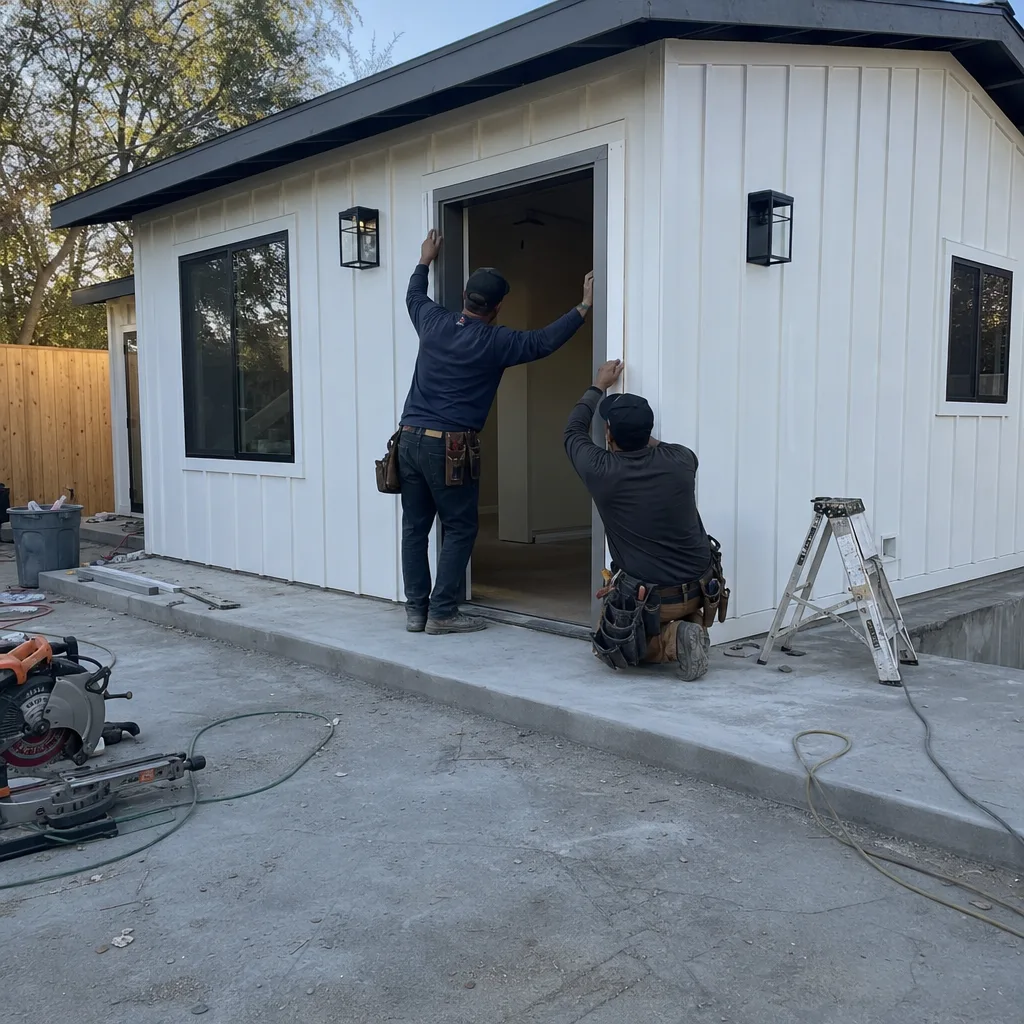
A Backyard ADU in Rolling Hills Estates means building a new home on your lot, usually between 400 and 1,000 square feet, behind or beside the main house. On the ranch-style parcels that dominate this city, that often means tearing out an old detached garage or horse-keeping outbuilding and replacing it with a properly engineered unit. A standard detached Backyard ADU here runs $180,000 to $420,000, with the foundation work on adobe-clay soil pushing costs higher than flatland neighbors expect. The 365-Day Done Right Promise covers the finished build in writing.
Site Planning and Trail Easements
Before a single line goes on paper, we check the city’s equestrian trail easement map. Many lots in Rolling Hills Estates have easements running through or along rear property lines, and horse-keeping setbacks apply to any structure placed near pasture. Ignoring that layer means a full redesign after the permit tech’s first comment letter. We find the legal buildable envelope first, then design inside it.
Engineered Foundations for Adobe Clay
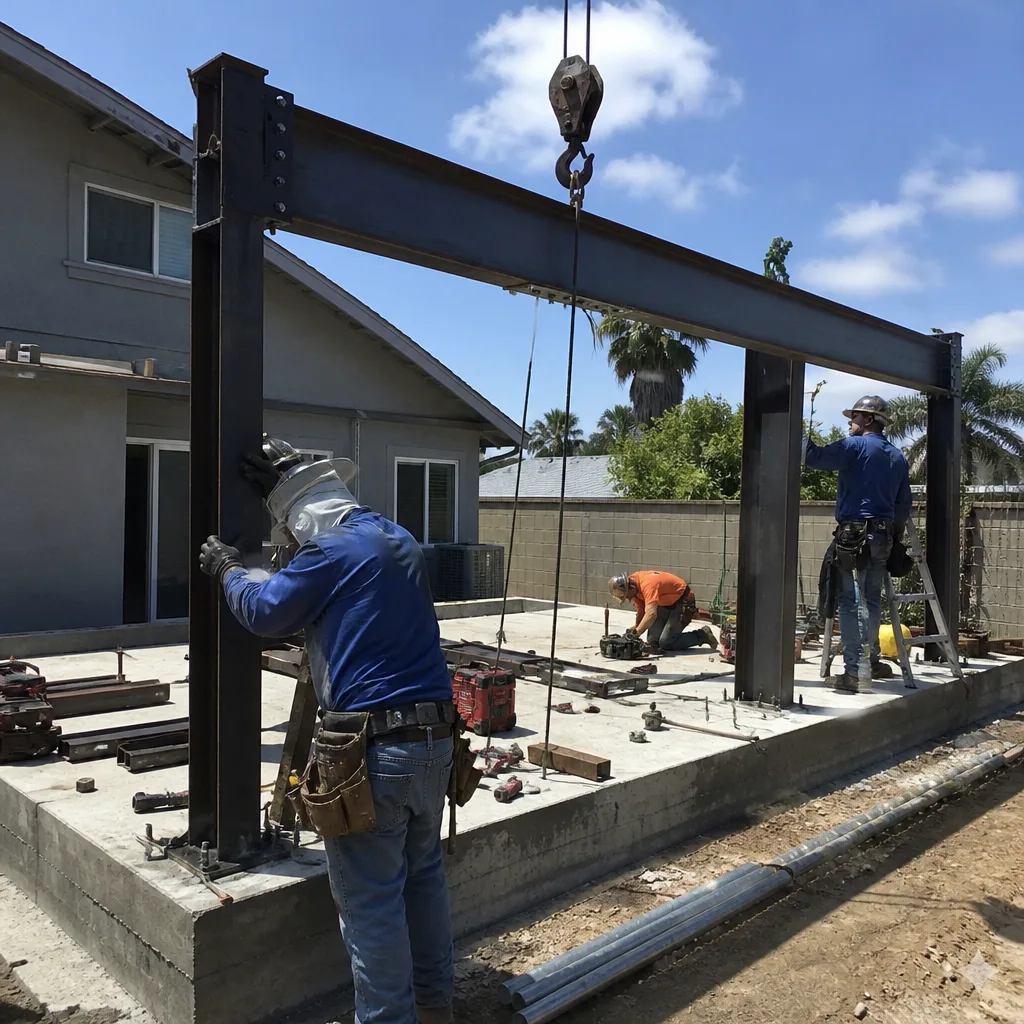
The Palos Verdes Peninsula’s expansive soils move enough to crack a standard slab within a few seasons. Every new detached ADU here needs a soils report and fully engineered footings. We write that expense into the initial price so it’s not a surprise line item later.
ADU Construction in Rolling Hills Estates
ADU Construction in Rolling Hills Estates almost always starts with an existing structure, because most of these homes were built between the late 1950s and the 1970s and have detached two-car garages, barns, or tack rooms already on the lot. Converting one of those costs $120,000 to $280,000 depending on what inspection turns up once walls are open. That range is honest: the opening-inspection protocol we run before quoting protects you from the classic blowup where a contractor bids off photos, then finds knob-and-tube wiring and termite damage mid-demo and resets the price.
Our Walls-Open Inspection Protocol
Before we quote a conversion in Rolling Hills Estates, we inspect the existing framing, electrical feeders, and slab condition. We document every finding with photos. Then we write allowances into the contract for the specific conditions this city’s housing stock produces: cloth-wrapped wiring, undersized top plates, and adobe-clay slab movement. Anything we didn’t anticipate gets priced in writing and approved by you before we touch it.
How a Ranch Garage Conversion Actually Goes
On a late-1960s single-story ranch off Indian Peak Road, our crew opened a detached two-car garage and found cloth-wrapped knob-and-tube feeders, termite-chewed top plates, and a slab that had moved with the wet-dry cycle. We stopped, photographed every condition, priced the framing repair, panel upgrade, and engineered foundation through a written change order before demo continued, then finished the Backyard ADU with James Hardie siding. The homeowner saw one approved number, not a moving target.

Trusted Brands We Service in Rolling Hills Estates
We build with and install prefab ADUs from Cover, Dvele, and Boxabl, alongside custom site-built units using James Hardie materials. A Rolling Hills Estates customer choosing a Dvele unit gets a panelized build that minimizes on-site sawing and keeps noise down near bedrooms, which matters when school is in session or a baby is napping. Because we coordinate directly with these manufacturers, you’re not waiting on a third-party logistics chain to release your wall panels. You’ll choose the product that fits your lot’s setbacks and easements, not the one we happen to prefer selling.
Common ADU Builders Problems We See in Rolling Hills Estates Homes
- Knob-and-tube wiring inside old garage walls. Ranch homes from the 1960s and 1970s often still carry cloth-wrapped feeders in detached garages. Opening those walls for a conversion triggers a code requirement for a panel upgrade, and a quote that never accounted for that will balloon mid-job.
- Trail easement conflicts that kill the obvious pad location. A rear property line easement for equestrian access can eliminate the backyard spot you assumed was buildable. The city’s first comment letter will flag it, and you’ll be redesigning from scratch unless site analysis happened before drawing.
- Adobe-clay slab movement under existing garages. The Palos Verdes Peninsula’s expansive soils crack poorly compacted slabs over decades of wet-dry cycling. A conversion that skips a soils report inherits those cracks into the new living space.
- Termite damage in top plates and roof framing. Older outbuildings near open space and equestrian trails sit in termite-active territory. The framing that looks fine from the outside often isn’t, and it’s exactly what a walls-open inspection catches before you sign a fixed price.
Pricing for ADU Builders in Rolling Hills Estates, CA
Detached Backyard ADUs in Rolling Hills Estates run $180,000 to $420,000. Garage or barn conversions range from $120,000 to $280,000. Prefab units from Cover, Dvele, or Boxabl start near the lower end but climb with site prep on expansive adobe-clay soil. The foundation and soils report add $15,000 to $40,000 depending on lot slope and easement constraints, and electrical panel upgrades run $3,500 to $8,000 when walls-open inspection reveals cloth-wrapped feeders. Every job gets a written price before work begins, with allowances for the specific conditions this city’s housing stock produces. Call (707) 383-5338 for a free estimate.
We Also Serve Cities Near Rolling Hills Estates
Seedling ADU Builders serves Rolling Hills Estates and nearby communities including Los Angeles, Long Beach, Anaheim, and Riverside. The same written pricing, background-checked crews, and 365-Day Done Right Promise apply on every job. If you’re planning an ADU anywhere in the South Bay or beyond, we’ll bring the same walls-open inspection discipline to your site.
Serving Rolling Hills Estates, CA - Our Local Coverage Area
We’re based in the Rolling Hills Estates area and know this community well. Use the map below to see our service coverage - if you’re nearby, we can almost certainly help.
FAQs About ADU Builders in Rolling Hills Estates
Yes, in most cases. Barn and tack room conversions in Rolling Hills Estates typically run $120,000 to $280,000 once the existing structure passes a walls-open inspection. The city’s horse-keeping setbacks and trail easements apply to any outbuilding conversion, so we check the equestrian overlay map before quoting. Call (707) 383-5338 and we’ll walk the site to confirm what’s buildable.
The Palos Verdes Peninsula’s adobe-clay soils expand and contract with seasonal moisture, which cracks standard slabs within a few wet-dry cycles. A soils report and engineered footing add $15,000 to $40,000 to your ADU cost in Rolling Hills Estates. We write that into the initial price so you’re comparing honest numbers, not surprise line items.
We often find cloth-wrapped knob-and-tube wiring, undersized framing, termite damage, and slab movement in the 1960s and 1970s outbuildings common here. Our protocol is inspection first, then a written change order with photos and prices for any repair the permit triggers, approved by you before demo continues. That’s how you avoid the moving-target quote. Call (707) 383-5338 for an exact quote on your structure.
Usually not, but it does move the buildable envelope. Rolling Hills Estates’ equestrian trail easements run through or along many rear property lines, and the city’s permit tech flags conflicts in the first round of comments. Ben Ortega reviews the easement map before we draw anything, so your design lands in a spot that clears city review the first time. Call (707) 383-5338 and we’ll check your lot’s specific easement layer.
Yes, we install prefab ADUs from Cover, Dvele, and Boxabl for Rolling Hills Estates lots, alongside custom site-built units with James Hardie materials. Each brand’s footprint and foundation requirements get checked against your lot’s adobe-clay soil and easement constraints before we recommend one. Estimates are free, and the price you see is the price you approve before work starts. Call (707) 383-5338 to discuss which system fits your site.
Written by Ben Ortega, Owner at Seedling ADU Builders, serving Rolling Hills Estates and the South Bay.